Step 1: Do Not Create a Spark
Do not switch lights or appliances on or off, use a lighter or matches, or operate anything that could create a spark. Do not use a mobile phone inside the area where you can smell gas. Make your calls once you are outside.
Step 2: Open Doors and Windows if You Can
If it is quick and safe to do so, open doors and windows on your way out to let gas disperse. Do not spend time searching for the source.
Step 3: Turn Off the Gas at the Meter if It Is Safe
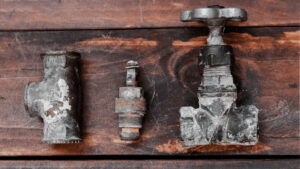
If you know where your gas meter is and can reach it safely, turn off the gas at the isolation valve. If you are not sure how, or it is not safe, leave it alone and get out.
Step 4: Leave and Keep Others Away
Get everyone, including pets, out of the building and away from it. Keep a safe distance. Do not re-enter until a licensed professional or emergency service says it is safe.
Step 5: Call for Help
If there is immediate danger, such as a strong smell, hissing sound, or anyone feeling unwell, call 000. You should also contact your gas supplier's emergency line, which is usually printed on your gas bill, and a licensed gasfitter.
Beaches Emergency Plumber provides gas leak and repair services across the Northern Beaches, 24 hours a day.
Signs of a Gas Leak Beyond the Smell
Other signs can include a hissing or whistling sound near a gas line, dead patches of vegetation, or unexplained dizziness, headaches or nausea. Because LPG is heavier than air, it can settle low to the ground. If you notice any of these, follow the same steps.
Preparing Before an Emergency Happens
A little planning makes a gas emergency much easier to handle. Find your gas meter and isolation valve now, and make sure the people in your home know where it is and how it turns. Keep your gas supplier's emergency number somewhere easy to find, such as on the fridge, and save it in your phone.
Think about where each gas appliance is, including heaters, cooktops and hot water, so you can describe them to the gasfitter. If you rent, ask your landlord or agent where the meter and shut-off are, and who to call if there is a problem.
Why Only Licensed Professionals Should Repair Gas
Gas work is regulated for good reason. Faulty gas fittings can cause fires, explosions and carbon monoxide poisoning. Do not try to fix a leak with tape or sealant. Our guide to gas appliance warning signs lists issues worth checking before they become emergencies.
Frequently Asked Questions
What does gas smell like?
Gas suppliers add an odorant that is often described as a rotten egg smell.
Can I use my phone if I smell gas?
Avoid using it inside the affected area. Move outside first, then call.
Who do I call about a gas leak?
Call 000 if there is immediate danger, then your gas supplier's emergency line and a licensed gasfitter.
Can I relight appliances myself afterwards?
Wait until a licensed professional has checked the system and told you it is safe.