Taps, Showers and Fixtures
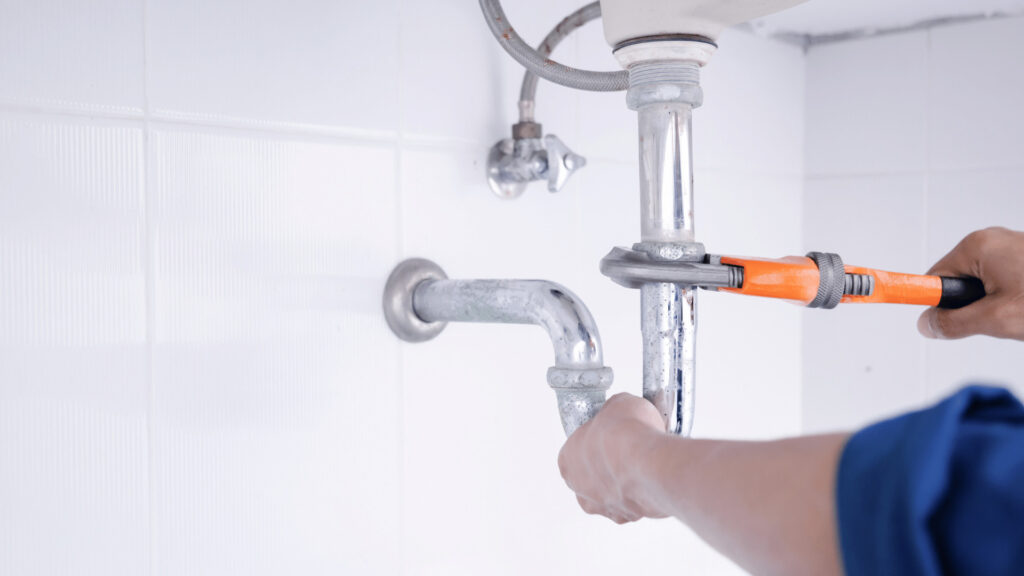
Run every tap and shower and watch for slow flow, drips or leaks at handles and spouts. Check under sinks for dampness. A small drip is easier and cheaper to fix than a failed fitting. Our article on leaking taps and running toilets covers common faults.
Toilets
Check that each toilet flushes properly and stops running afterwards. Look around the base for moisture, and listen for the cistern refilling when no one has flushed.
Hot Water System
Look at the unit for leaks, rust and unusual noises. Check the compliance plate for its age, and know where the power or gas and water isolation points are. For the signs of a failing system, see our guide on when to repair or replace a hot water system.
Drains, Gutters and Stormwater
Clean strainers and grates, clear gutters and downpipes, and check that outdoor drains are not clogged with leaves or soil. Watch for slow drains and any sewage smell in the yard.
Water Meter and Main Shut-Off
Make sure everyone in the home knows where the main shut-off valve is, and that it turns freely. Do a quick meter check when no water is being used. Our guide on finding a hidden leak explains how.
Gas Appliances
Check that flames burn blue, there is no soot and no gas smell. Gas appliances should be serviced by a licensed professional. See our article on gas appliance warning signs.
Keep a Simple Plumbing Record
Keep a short record of your plumbing: the age and brand of your hot water system, the location of the main shut-off, the date of any repairs and the details of the plumber who did the work. This helps with warranties and with diagnosing future problems.
Take a photo of your water meter reading each time you do a check. If your bills rise or the meter moves when nothing is running, you have a clear record to share with a plumber.
When to Book a Plumber
Book an inspection if you notice persistent leaks, low pressure, repeated blockages, rusty water, or an ageing hot water system. A plumber can use tools like leak detection equipment to find problems you cannot see.
Beaches Emergency Plumber provides leak detection, hot water and drain services on the Northern Beaches. To book, use the form below or go to the contact page.
Frequently Asked Questions
How often should I check my plumbing?
A basic check a couple of times a year works for most homes. Older properties may benefit from more.
Can I do plumbing maintenance myself?
You can do visual checks and clean strainers. Repairs, gas work and hot water work need a licensed professional.
What should I do before going on holiday?
Consider turning off the main water if the home will be empty for a long time, and check for leaks beforehand.
Do I need a plumber if everything looks fine?
Not necessarily, but an inspection can help with older systems or recurring problems.