Understand How Your System Works
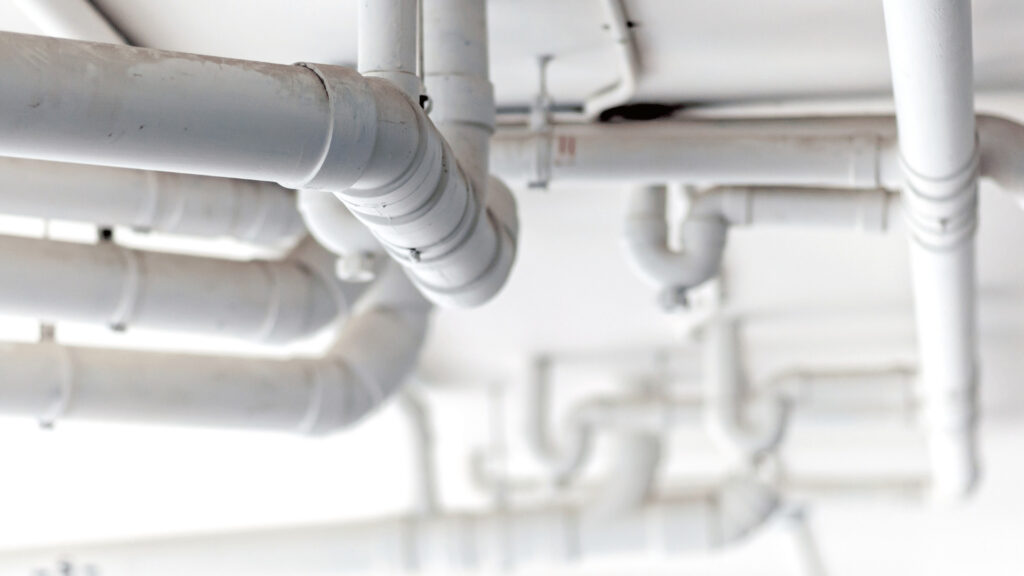
Stormwater and sewer systems are separate. Stormwater carries rain from roofs and hard surfaces away from the property, while sewer carries wastewater from toilets, sinks and showers. They should never be connected to each other. If you are unsure how your property is plumbed, a plumber can check.
Clear Gutters and Downpipes
Leaves and debris collect in gutters and block downpipes. Clean them before heavy rain, taking care when working at height. If you cannot do this safely, hire someone who can.
Check Grates, Pits and Surface Drains
Walk around the property and look at drains in driveways, paths and gardens. Remove leaves, mulch and silt from grates and pits. Make sure water can flow toward them and that garden beds are not sending soil into the drain.
Watch for Slow Drainage
If water pools after light rain, or a pit stays full, the underground pipe may be partly blocked or damaged. Tree roots are a common cause. A plumber can inspect the line with a CCTV drain camera and clear it with high pressure water jetting.
Protect Against Backflow and Overflow
Keep valuable items off floors in low areas of the home or garage. Know where to shut off power and water if flooding occurs. If sewage is overflowing, treat it as a health risk. See our article on telling a toilet blockage from a sewer blockage.
During and After the Storm
During heavy rain, stay safe. Do not wade through floodwater, which can hide hazards and may be contaminated. Keep away from areas where water is close to power points or electrical equipment, and switch off power at the main if water is entering the home and you can reach the switchboard safely.
Once the rain stops, check the drainage again. Remove debris that has washed onto grates and pits, look for pooling water and see whether downpipes are flowing freely. If water drains slowly afterwards, a pipe may be partly blocked and worth inspecting.
When to Call for Help
Call a plumber if water is backing up, a pit overflows in light rain, or you suspect a damaged pipe. In an emergency, Beaches Emergency Plumber provides blocked sewer and stormwater drain clearing across the Northern Beaches, 24 hours a day.
For ongoing habits that keep drains clear all year, read our guide on how to prevent blocked drains. You can also contact us through the form below or our contact page.
Frequently Asked Questions
How often should I clean my gutters?
Regularly, and always before heavy rain. Properties near trees may need more frequent cleaning.
Can I connect my stormwater to the sewer?
No. The systems are separate and should stay that way. A plumber can advise on your property.
Why does water pool in my yard after rain?
It could be blocked drains, poor grading or a damaged pipe. An inspection can help identify the cause.
Is a flooded drain an emergency?
If water is entering the house or sewage is overflowing, yes. Contact a plumber straight away.